When a Number Plate Becomes a Deadline: Making Sense of the HSRP Rush
There’s something oddly humbling about realizing your car paperwork is no longer “good enough.” Not wrong, not illegal in spirit—just outdated. For a lot of drivers across India, that realization shows up in the form of a High Security Registration Plate notice, or a fine story shared by someone who thought they had more time.
HSRP has been part of policy conversations for years, quietly mentioned and quickly forgotten. Then enforcement actually began to matter. Traffic checks tightened. Messages circulated. Suddenly, the most unremarkable part of your vehicle—the number plate—was the thing standing between you and a penalty.
What makes this whole situation more stressful than it needs to be is confusion. People don’t mind rules when they understand them. But HSRP arrived with mixed information, half-accurate forwards, and an internet full of “guides” that felt more alarming than helpful. Somewhere in that noise, the actual process got lost.
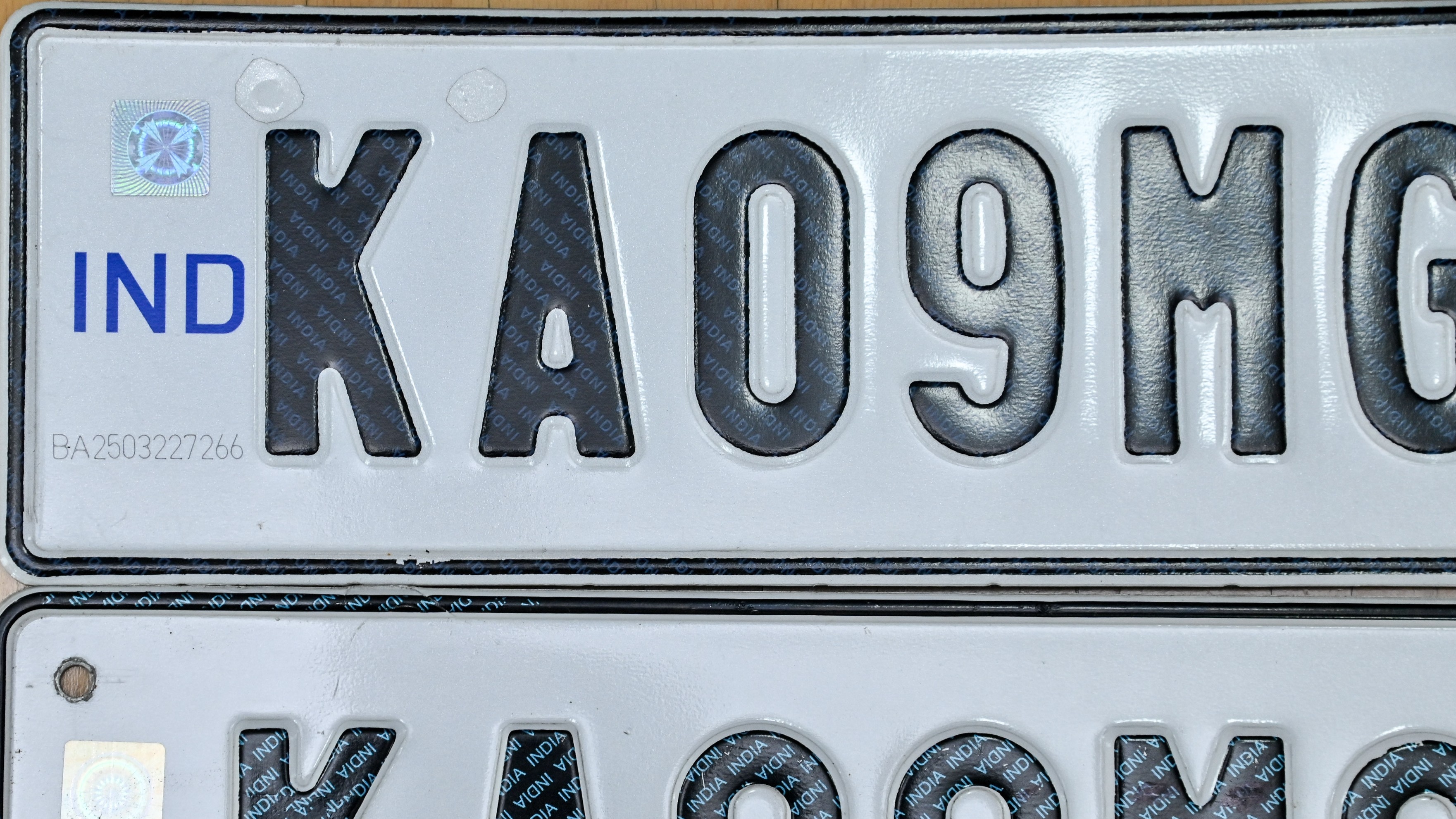 At its simplest, a high security number plate is just a standardized, tamper-proof plate issued by authorized vendors. Same design across states. Laser-etched codes. Snap locks that don’t come off without damage. The logic behind it is sound: reduce vehicle theft, stop plate cloning, and make enforcement more efficient. From a systems point of view, it’s overdue.
The trouble starts when drivers assume it doesn’t apply to them. Old car? Still applies. Rarely driven bike? Applies. Fancy dealership frame? Doesn’t count. The rule doesn’t discriminate based on how often you drive or how careful you are. It’s blanket compliance, which is why it’s finally being taken seriously.
Most people only act when inconvenience turns into risk. A colleague of mine laughed off reminders for months. Then one evening, he was stopped at a routine checkpoint and let off with a warning that sounded more like a countdown. The very next day, he sat down, sighed, and decided to book my high security number plate ↗ before “tomorrow” turned into trouble. He was surprised by how un-dramatic it all was.
That’s the part no one really talks about. The official booking portals aren’t scary. They’re plain, functional, and—dare I say—reasonably efficient. You enter your vehicle number, chassis details, choose a nearby fitment center, pick a time slot, and wait for confirmation. No agents. No cash dealings. No mysterious back doors.
Still, hesitation is common. People worry they’ll choose the wrong site or mess up a detail. That anxiety often leads to delay, which ironically causes the very chaos they were trying to avoid. Once deadlines approach or enforcement ramps up, appointment slots disappear quickly. What could’ve been a calm five-minute task becomes a refresh-fest.
The installation itself is straightforward. You show up, documents in hand, and trained staff fix the plates using non-removable snap locks. There’s no DIY involved. No drilling decisions. The plate gets linked to your vehicle record, and you’re done. It’s not the sort of errand you’ll remember fondly, but you won’t remember it angrily either.
Of course, experiences vary. Some centers are faster than others. Some run late. Some staff are chatty, others all business. That’s normal. The internet tends to amplify the worst cases, but most people walk away wondering why they put it off for so long.
What’s interesting is the emotional shift after compliance. It’s subtle, but real. You stop flinching when you see traffic police. You don’t worry about random checks. The background stress fades. Compliance doesn’t make driving joyful, but it removes a layer of unnecessary tension.
I’ve noticed conversations changing too. Earlier, people debated whether HSRP was “really required.” Now the question is more practical: which site, which center, how soon can it be done. Acceptance has quietly replaced resistance. That’s usually how policy settles into everyday life.
A neighbor of mine learned this the hard way. He waited until his city announced strict fines starting the following week. Panic set in. He scrambled online, eventually finding a slot far from home through book my hrsp com ↗ and spent half a day making it work. He got it done, yes—but not without stress that could’ve been avoided with earlier action.
Zooming out, HSRP is part of a larger shift. India’s vehicle ecosystem is slowly becoming more standardized, more digital, less tolerant of loopholes. Fastag, automated challans, centralized databases—HSRP fits neatly into that picture. It’s not flashy progress, but it’s real.